For international students aspiring to study in Russia, contacting the nearest Russian Embassy or Consulate is a critical step in obtaining a student visa and completing the admission process. Russian embassies and consulates provide guidance on visa requirements, legalization of educational documents, and other formalities necessary for entering and studying in the Russian Federation.
West African Countries
Students from West African countries must approach the Russian Embassy in their respective country for visa processing and document verification. Embassies in countries like Nigeria, Ghana, Senegal, Ivory Coast, and Cameroon are equipped to handle study visa applications, provide information on document legalization, and assist students with embassy-specific requirements. It is essential to verify the latest requirements, as some embassies may request additional documentation for proof of admission or financial capacity.
European Countries
Russian embassies and consulates across Europe, including Poland, Germany, France, Italy, Spain, the Netherlands, and the Baltic states (Latvia, Lithuania, Estonia), are responsible for processing study visas for applicants from these regions. European students should ensure that all educational documents are legalized and translated according to the requirements of the Russian Embassy in their country. Some embassies may request additional health or medical certificates before issuing the student visa.
United States & Canada
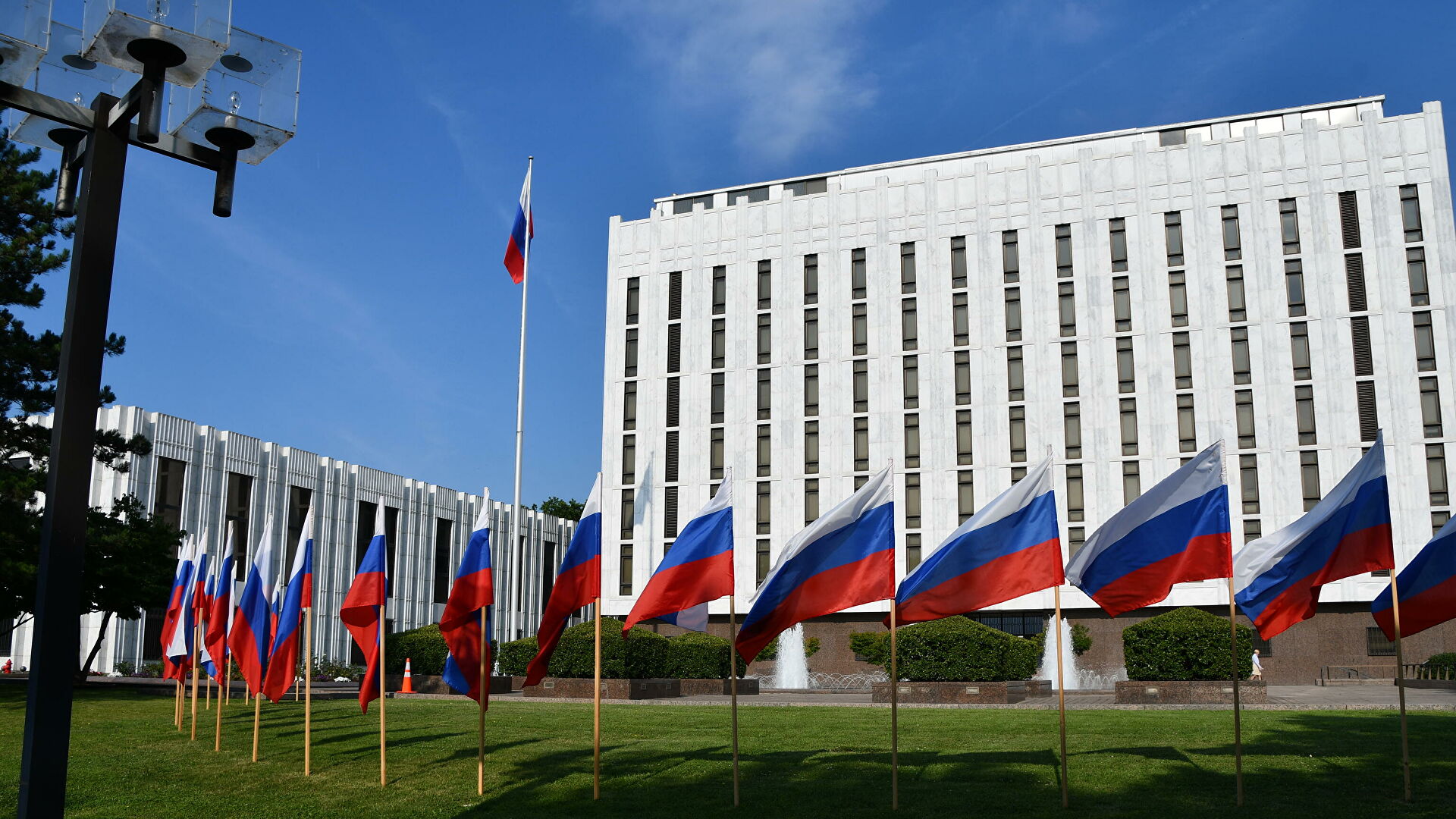
In North America, the Russian Embassy in Washington D.C. and the consulates in New York, San Francisco, and Toronto (Canada) provide comprehensive support for students seeking admission to Russian universities. Students should submit their original invitation letter from the Russian university, legalized educational certificates, and medical certificates as per the embassy guidelines. The consular staff can also guide students on visa interview procedures and required travel documents.
United Kingdom
Students in the United Kingdom can apply through the Russian Embassy in London or the Consulate in Edinburgh. The embassy provides detailed instructions on the student visa application process, including the submission of legalized school certificates, passport validity checks, medical and HIV/AIDS tests, and any additional documents required for study programs in Russia.
Important Tips for All Applicants
- Always check the latest visa requirements on the official website of the Russian Embassy or Consulate in your country.
- Ensure all educational documents are properly legalized and translated before submission.
- Keep physical and digital copies of all documents submitted for your visa applications.
- Apply for a visa well in advance, as processing times may vary significantly from country to country.
- Some embassies may require proof of financial stability or additional health certificates.
- Contacting the embassy ensures a smooth application process, enabling higher education without complications.